Rhinoplasty in Antwerp

The nose sits at the centre of the face and plays a crucial role in the balance of the facial features.

About rhinoplasty

Even small changes to the shape or proportions of the nose can have a great influence on the appearance of the entire face.

A nose correction, also known as rhinoplasty, is a refined surgical procedure in which the shape, size and proportions of the nose are adjusted. The treatment can have both aesthetic and functional goals and is always tailored to the patient’s unique anatomy.

At Face Ahead Clinic, we aim for a nose that is in perfect harmony with the rest of the face. The goal is not to create a standard nose, but to optimise the natural proportions of the face while preserving character and identity.

What is rhinoplasty?

Rhinoplasty is a surgical procedure in which the bone, cartilage and soft tissue of the nose are adjusted to improve its shape, function or both.

The treatment can be performed to:

  • Correct a nasal hump
  • Straighten a crooked nose
  • Refine a wide nasal bridge
  • Correct a drooping or insufficiently defined nasal tip
  • Improve an asymmetrical nose
  • Bring the nose into better proportion with the rest of the face
  • Treat breathing problems

Aesthetic and functional corrections are often combined in a single procedure.

Aesthetic rhinoplasty

Every nose is unique and requires an individual approach. During an aesthetic rhinoplasty, the proportions of the nose are carefully analysed in relation to the forehead, eyes, lips and chin.

Depending on the anatomy, the following corrections, among others, can be performed:

  • Reduction of a nasal hump
  • Refinement of the nasal tip
  • Correction of asymmetry
  • Narrowing of the nasal bridge
  • Improvement of nasal projection
  • Optimisation of the angle between nose and upper lip
  • Improvement of the profile

The goal is always a natural result in which the nose draws less attention and blends better into the face as a whole.

Functional rhinoplasty

In addition to aesthetic improvements, rhinoplasty can also address functional problems.

Many patients experience breathing difficulties due to a deviated nasal septum (septal deviation), narrowed nasal valves or previous trauma.

A functional rhinoplasty can help with:

  • Chronic nasal obstruction
  • Difficult nasal breathing
  • Deviated nasal septum
  • Narrowed airways
  • Consequences of a nasal fracture
  • Breathing problems during exertion or sleep

By combining aesthetic and functional corrections, both the appearance and the function of the nose can be improved.

Open and closed rhinoplasty

Open rhinoplasty

In an open rhinoplasty, a small incision is made at the columella, the strip of skin between the nostrils.

This technique offers maximum visibility of the underlying structures and allows an extremely precise correction. It is therefore often used for more complex nose corrections or revision surgery.

After healing, the scar is generally barely visible.

Closed rhinoplasty

In a closed rhinoplasty, all incisions are inside the nose.

This technique leaves no external scars and can be suitable for more limited corrections. The choice between the two techniques is determined by the anatomy and the goals of the treatment.
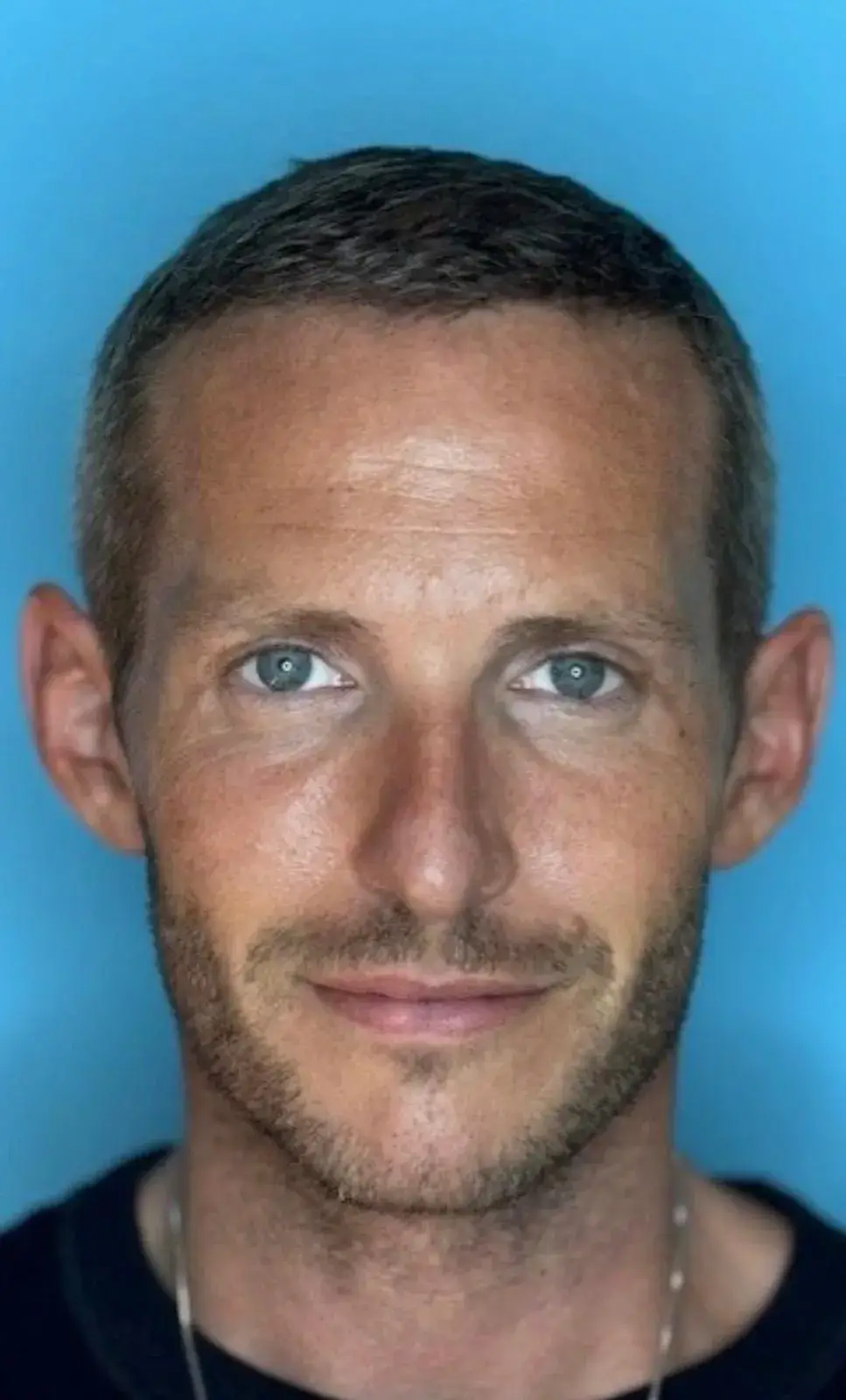
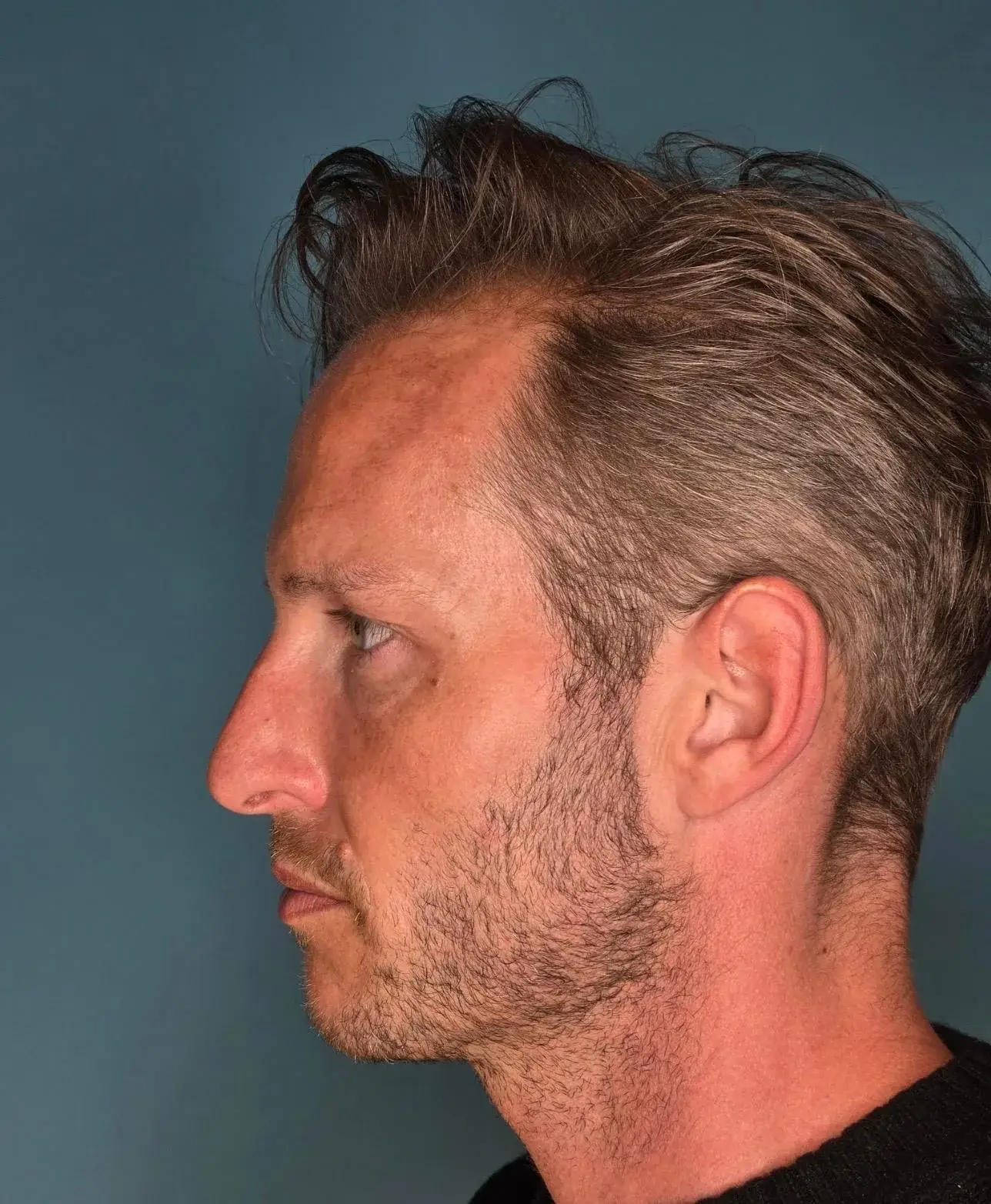
The procedure

A rhinoplasty is usually performed under general anaesthesia and takes an average of 1 to 3 hours.

During the operation, bone and cartilage structures are carefully sculpted to create the desired shape and function. If necessary, a septum correction is performed at the same time to improve breathing.

Afterwards, a protective nasal splint is applied to support the new shape during the first healing phase.

Recovery

Recovery after a rhinoplasty is gradual.

During the first few days, swelling, mild pain and bruising around the eyes may occur. These symptoms usually decrease considerably during the first two weeks.

Recovery generally proceeds as follows:

  • First week: the nasal splint stays in place
  • After about 7 to 10 days: removal of the nasal splint
  • After 2 weeks: most bruising and swelling have disappeared
  • After 4 to 6 weeks: resumption of most sporting activities
  • After 6 to 12 months: further refinement of the final result

Although the nose quickly takes on a good shape, the nasal tip in particular can continue to subtly reduce in swelling for months.

Possible risks

As with any surgical procedure, there are possible risks associated with a rhinoplasty, although serious complications are rare.

Possible complications include:

  • Post-operative bleeding
  • Infection
  • Temporary changes in sensation
  • Asymmetry
  • Scarring
  • Breathing problems
  • Insufficient or excessive correction
  • The need for a revision procedure

During the consultation, these risks are discussed in detail.

Why choose Face Ahead Clinic?

A successful rhinoplasty is one of the most challenging procedures in facial surgery. It requires not only technical precision, but also a deep understanding of facial proportions and aesthetic harmony.

At Face Ahead Clinic, every rhinoplasty is fully personalised. Through a thorough analysis of your anatomy, function and expectations, we create a result that is both aesthetically refined and functionally optimal.

Our goal is simple: a nose that stands out not because of the surgery, but because of its natural harmony with the rest of your face.

Need personal advice?

Book a no-obligation consultation and discover what is possible.

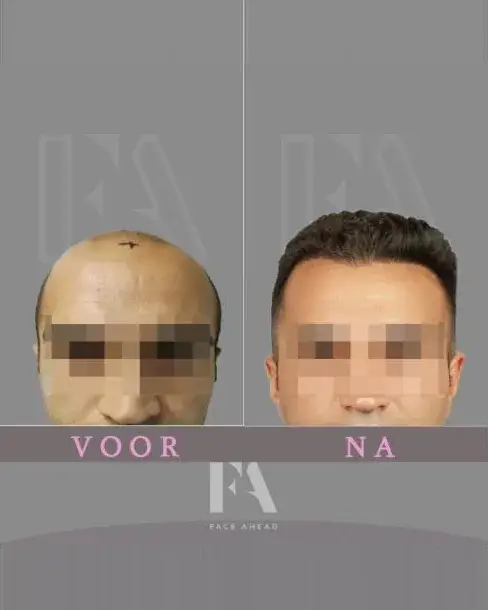
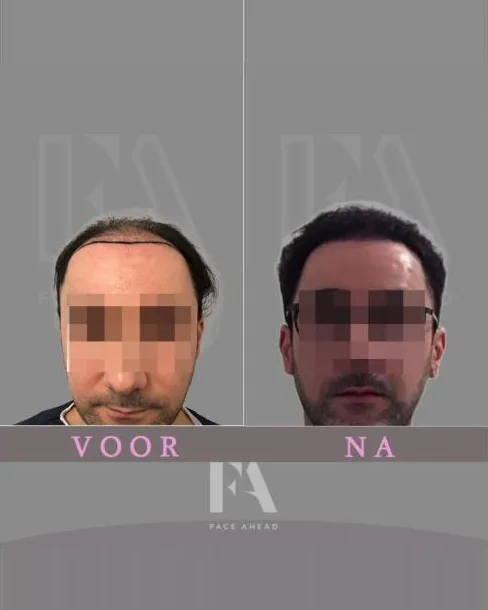
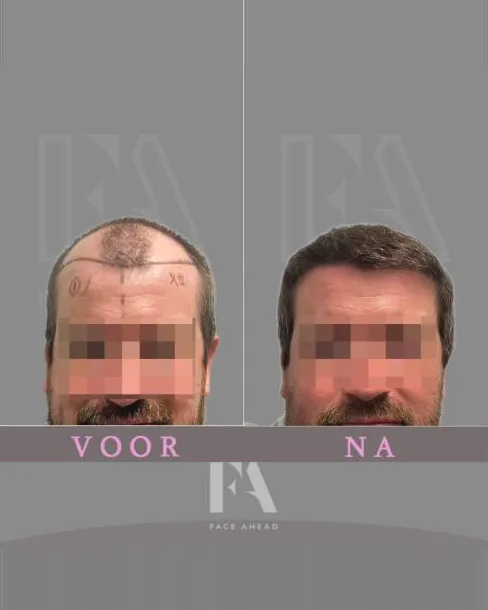
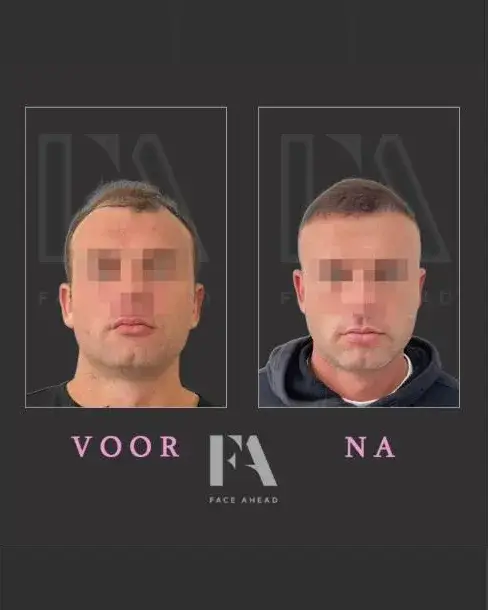
Before and after

A selection of what is possible. Every treatment is tailored to your skin and face, so results may differ per person.

Voor de behandeling: vooraanzicht

Before · Rhinoplasty

Na de behandeling: zijaanzicht

After · Rhinoplasty

Voor de behandeling: vooraanzicht

Before · Rhinoplasty

Na de behandeling: zijaanzicht

After · Rhinoplasty

Voor de behandeling: vooraanzicht

Before · Rhinoplasty

Na de behandeling: zijaanzicht

After · Rhinoplasty

Voor de behandeling: vooraanzicht

Before · Rhinoplasty

Na de behandeling: zijaanzicht

After · Rhinoplasty

FAQ: frequently asked questions

Yes. Modern rhinoplasty focuses on harmony and natural proportions. The goal is a nose that suits your face better without changing your identity.

Most patients mainly experience a feeling of pressure and congestion. Pain is generally limited and can be well controlled with medication.

A large part of the result is visible as soon as the nasal splint is removed. However, the final refinement of the nose develops over six to twelve months.

Yes. When functional problems are present, these can often be corrected during the same procedure.

Our approach

01

Intake & personal treatment plan

A first conversation in which we listen to your wishes and expectations, with no obligation.

02

Preparation

A thorough medical examination and honest advice on what is feasible and sensible in your situation.

03

The treatment

A tailored plan, including timeline, cost and what you can expect before, during and after the procedure.

04

Aftercare & guidance

The procedure itself, followed by personal follow-up until you have fully recovered.

Ready for the next step?

Book a no-obligation consultation and discover what is possible.

Follow @haartransplantatie.antwerp

Follow @face.ahead