Otoplasty in Antwerp
The shape and position of the ears have an important influence on the balance of the face.
About ear correction
Protruding ears, asymmetry or deformities of the ear cartilage can be a source of insecurity for some people, both at a young age and in adulthood.
An ear correction, also known as otoplasty, is a surgical procedure in which the shape, position or proportions of the ears are permanently corrected. The goal is to bring the ears into better harmony with the rest of the face, while maintaining a natural result.
What is an ear correction?
An ear correction is a refined surgical procedure in which the cartilage of the ear is reshaped or repositioned to obtain the desired shape and position.
The treatment is most commonly performed for:
- Protruding ears
- Asymmetrical ears
- Insufficiently developed ear folds (antihelix)
- Enlarged ear conchae
- Residual abnormalities after previous ear surgery
- Congenital deformities of the ear
The technique is always tailored to the individual anatomy of the patient in order to achieve the most natural result possible.
The procedure
An ear correction is usually performed under local anaesthesia with sedation or under general anaesthesia, depending on the age of the patient, the extent of the correction and personal preference.
The operation takes an average of 60 to 90 minutes.
The incision is carefully placed in the natural crease behind the ear, so the scar remains almost invisible after healing.
During the procedure, the cartilage is sculpted, weakened or brought into a new position with fine stitches. This allows the ears to be placed closer to the head and natural contours to be restored.
Recovery
After the operation, a protective dressing is applied to support the new position of the ears and promote recovery.
Recovery generally proceeds as follows:
- First week: a supportive dressing protects the ears from pressure and accidental movement.
- After about one week: the dressing is removed and any stitches are checked or removed.
- During the following 2 to 3 weeks: a soft support band or headband is recommended, especially while sleeping.
- After about 6 weeks: most of the swelling has disappeared and the result is largely visible.
Slight swelling, tenderness and a feeling of tightness are normal during the first few days after the procedure.
Possible risks
As with any surgical treatment, there are possible risks, although serious complications are rare.
Possible complications include:
- Infection
- Post-operative bleeding
- Temporary tenderness or numbness
- Asymmetry
- Over- or undercorrection
- Thickening of scars
- Recurrence of the original position of the ear
During the consultation, these risks are discussed in detail.
Why choose Face Ahead Clinic?
A successful ear correction requires precision, experience and an eye for detail. Small adjustments can make a big difference to the harmony of the face.
At Face Ahead Clinic, we aim for a subtle and natural result in which the ears no longer draw attention, but are perfectly in balance with the rest of the face.
Need personal advice?
Book a no-obligation consultation and discover what is possible.
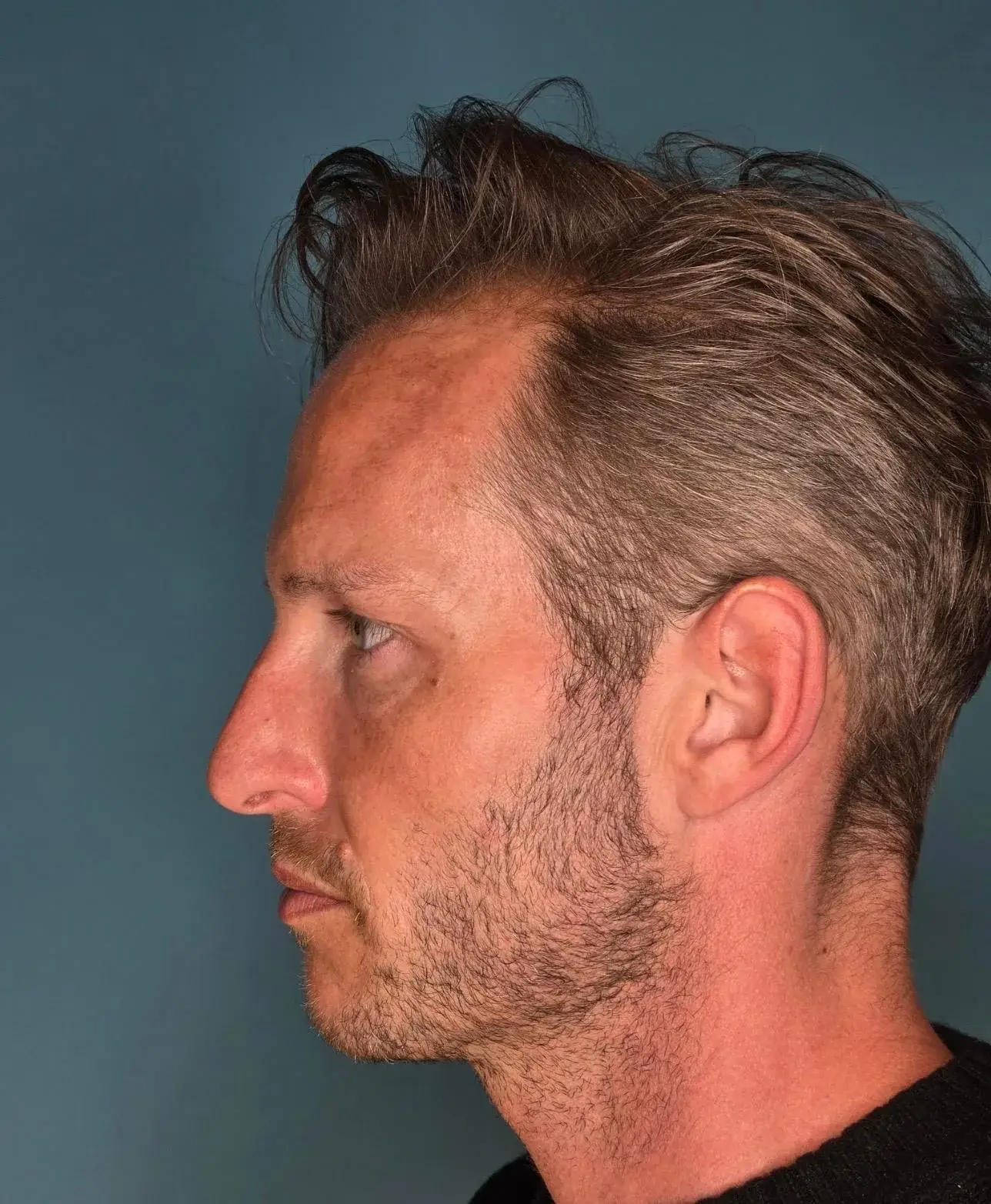
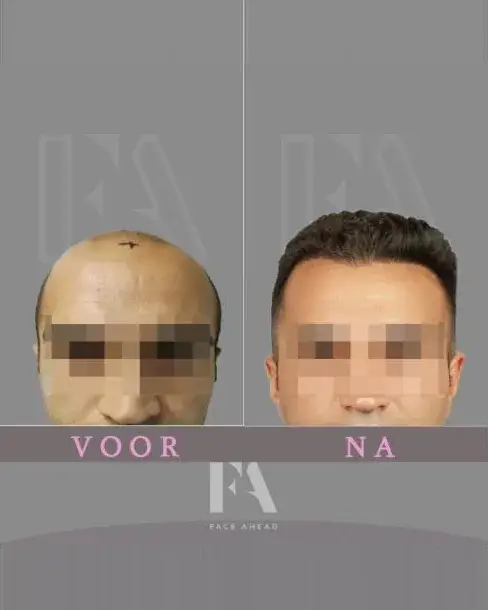
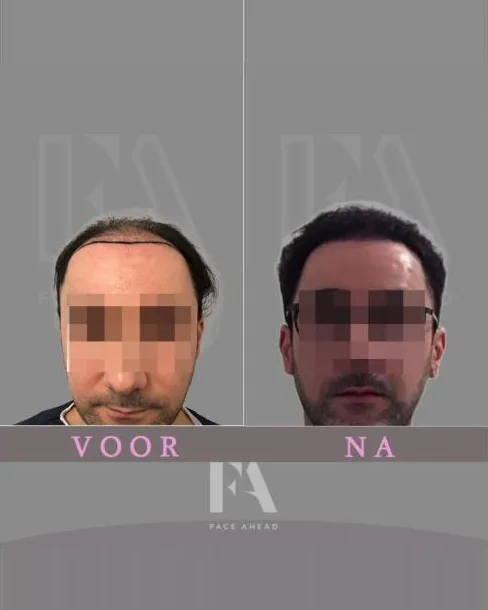
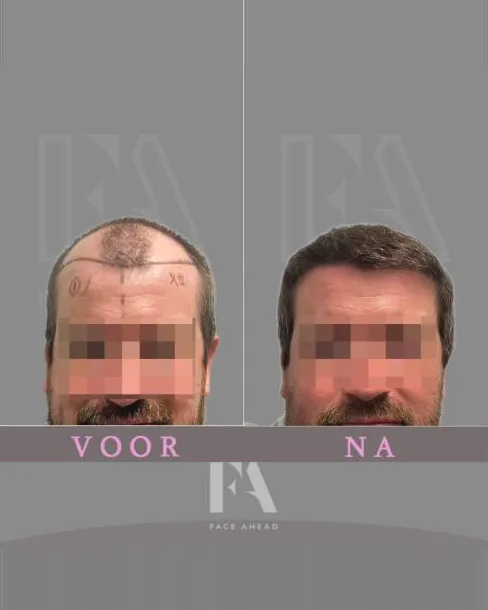
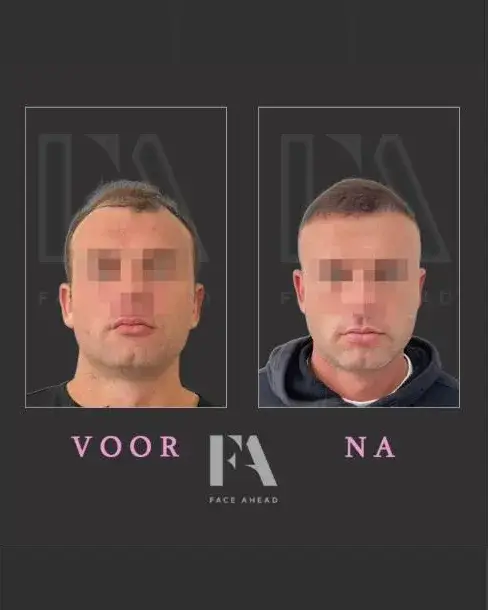
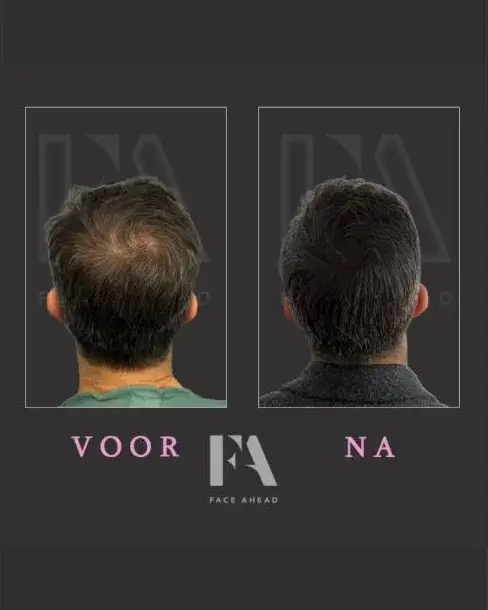
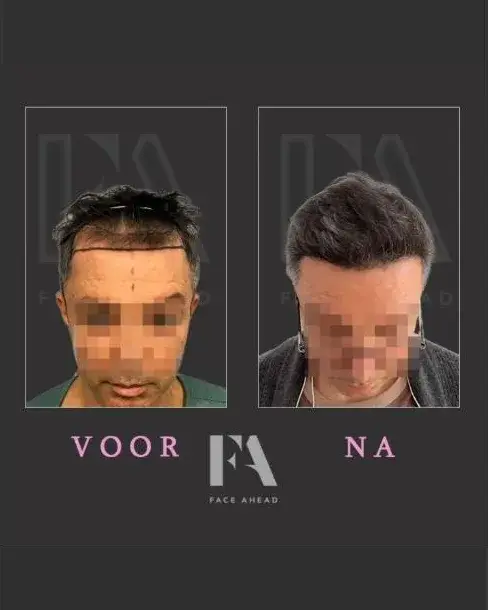
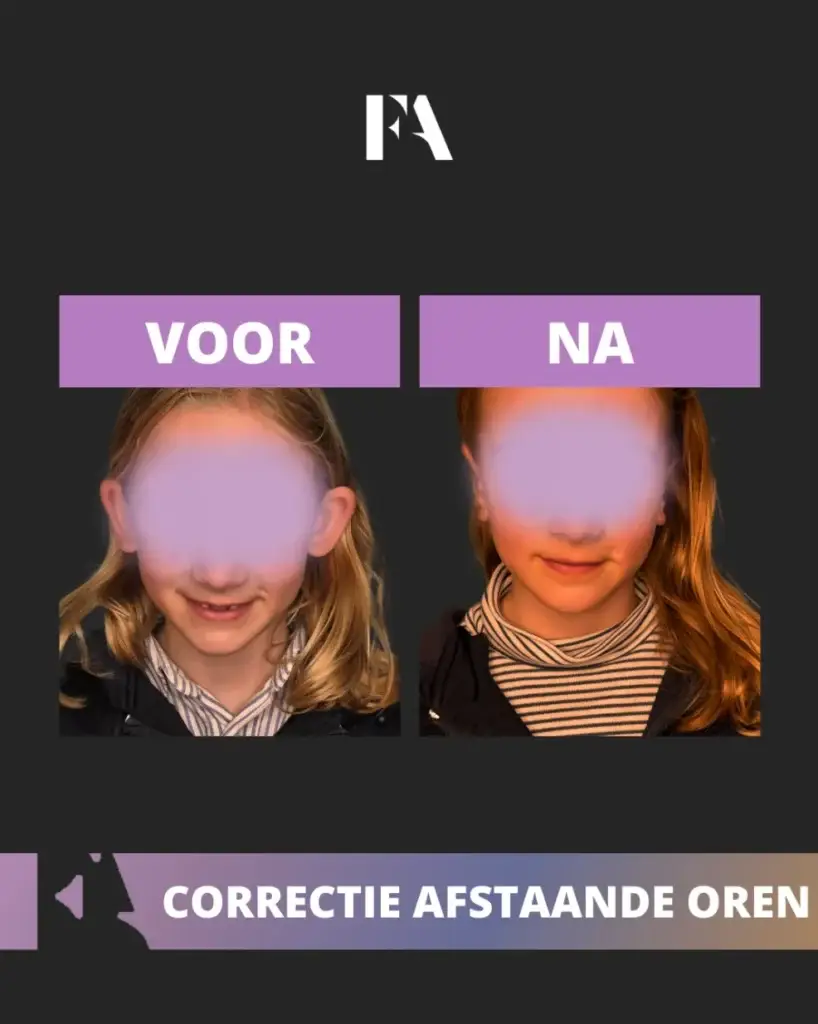
Before and after
A selection of what is possible. Every treatment is tailored to your skin and face, so results may differ per person.
Before · Otoplasty
After · Otoplasty
Before · Otoplasty
After · Otoplasty
Before · Otoplasty
After · Otoplasty
Before · Otoplasty
After · Otoplasty
Our approach
Intake & personal treatment plan
A first conversation in which we listen to your wishes and expectations, with no obligation.
Preparation
A thorough medical examination and honest advice on what is feasible and sensible in your situation.
The treatment
A tailored plan, including timeline, cost and what you can expect before, during and after the procedure.
Aftercare & guidance
The procedure itself, followed by personal follow-up until you have fully recovered.
Ready for the next step?
Book a no-obligation consultation and discover what is possible.