Jaw Surgery: Surgical Techniques
Every patient has a unique jaw anatomy and a specific treatment plan. Depending on the nature of the deviation, one or a combination of the techniques below may be used.
Lower jaw correction (BSSO)
The most commonly performed procedure on the lower jaw is the Bilateral Sagittal Split Osteotomy (BSSO). In this procedure, the lower jaw is released in a controlled way and moved forwards or backwards to create a correct bite and better facial balance.
A BSSO can be used for:
- A recessed lower jaw
- A protruding lower jaw
- A pronounced overbite
- A pronounced underbite
- Functional chewing problems
- Jaw asymmetry
By correcting the position of the lower jaw, not only the bite and chewing function improve, but often also the projection of the chin, the definition of the jawline and the harmony of the profile.
Upper jaw correction (Le Fort I osteotomy)
When the deviation is mainly in the upper jaw, a Le Fort I osteotomy can be performed.
In this procedure, the upper jaw is carefully released and moved to a more optimal position. The upper jaw can be moved forwards, backwards, upwards, downwards or rotated, depending on the individual anatomy.
This technique is often used for:
- A recessed upper jaw
- An open bite
- A crossbite
- Vertical disproportions of the face
- Asymmetry of the midface
A correct position of the upper jaw has an important influence on the smile, the support of the upper lip and overall facial harmony.
Bimaxillary surgery
In some patients, the deviation is present in both the upper and lower jaw. In that case, a bimaxillary correction is chosen, in which both jaws are corrected during the same operation.
This approach often provides the most precise correction of:
- Complex bite deviations
- Severe jaw disproportions
- Facial asymmetry
- Sleep apnoea
- Aesthetic disproportions of the profile
Because both jaws are treated at the same time, an optimal functional and aesthetic balance can be achieved.
Chin correction (Genioplasty)
The position of the chin plays a crucial role in the harmony of the face. Even when the bite is perfect, a recessed or asymmetrical chin can disturb facial balance.
A genioplasty is a surgical procedure in which the chin is repositioned to improve projection, height or symmetry.
The treatment can be performed as a stand-alone procedure or combined with orthognathic surgery.
A genioplasty may be indicated for:
- A recessed chin
- A protruding chin
- An asymmetrical chin
- Insufficient definition of the jawline
- Aesthetic disproportions of the profile
Optimising the chin position often results in a striking improvement of the profile without losing the natural facial features.
Orthognathic surgery and sleep apnoea
In some patients, obstructive sleep apnoea is caused by an anatomical narrowing of the airway at the level of the upper and lower jaw.
When the jaws are insufficiently developed forwards, the space behind the tongue can be limited, causing the airway to partially collapse during sleep.
In selected cases, a Maxillomandibular Advancement (MMA) can be performed. In this procedure, both the upper and lower jaw are moved forwards to permanently enlarge the airway.
This treatment is considered one of the most effective surgical solutions for severe obstructive sleep apnoea and can lead to:
- Improved breathing during sleep
- Reduction of snoring
- Improved sleep quality
- More energy during the day
- Reduction of the cardiovascular risks associated with sleep apnoea
Digital planning and 3D technology
Modern orthognathic surgery relies on advanced digital technologies. Before the operation, extensive photographs, scans and radiological examinations are carried out to analyse the jaw position precisely.
With digital 3D planning, the operation can be prepared virtually, so that the surgical correction is carried out with extreme precision.
This technology offers important advantages:
- Higher precision
- Predictable results
- Improved symmetry
- Shorter operating time
- Optimal functional and aesthetic outcome
Need personal advice?
Book a no-obligation consultation and discover what is possible.
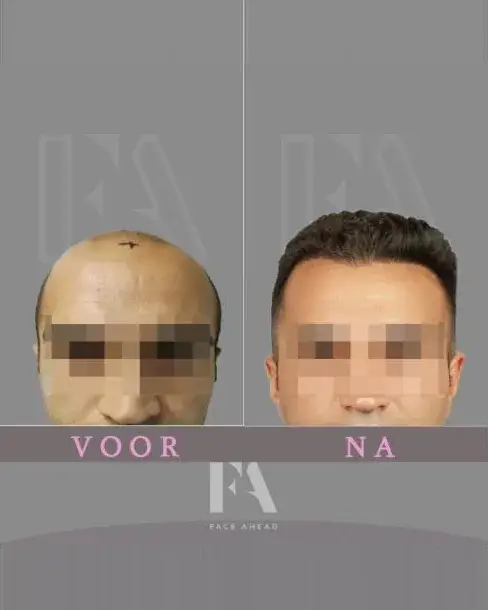
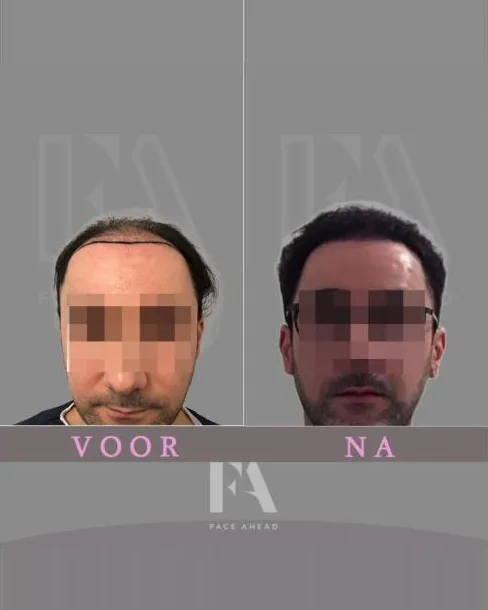
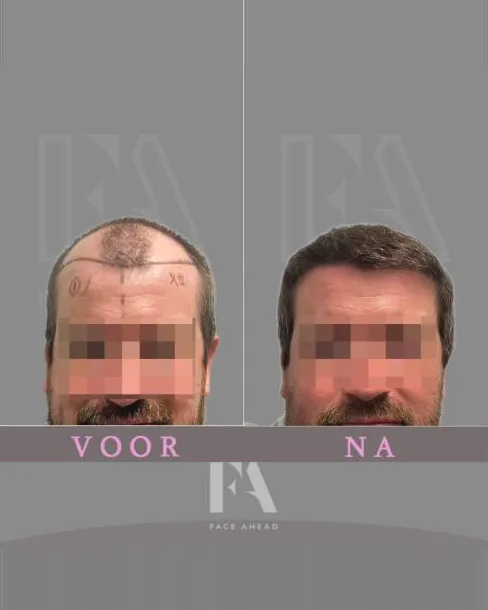
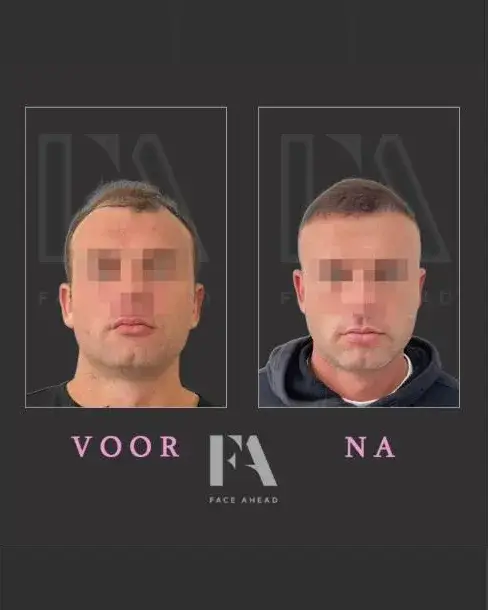
Before and after
A selection of what is possible. Every treatment is tailored to your skin and face, so results may differ per person.
Before · Jaw Surgery: Surgical Techniques
After · Jaw Surgery: Surgical Techniques
Before · Jaw Surgery: Surgical Techniques
After · Jaw Surgery: Surgical Techniques
Before · Jaw Surgery: Surgical Techniques
After · Jaw Surgery: Surgical Techniques
Before · Jaw Surgery: Surgical Techniques
After · Jaw Surgery: Surgical Techniques
FAQ: frequently asked questions
Will my face change after a jaw correction?
Yes, but in a natural way. Because the position of the jawbones is corrected, facial proportions often improve as well. The aim is always a more harmonious profile while preserving your natural identity.
Are the titanium plates permanent?
In most cases, the titanium plates and screws remain in place for life without causing problems. Removal is usually not necessary.
Is orthognathic surgery painful?
Most patients experience surprisingly little pain. Swelling and a feeling of tightness are usually more prominent than pain and can be well controlled with medication.
When can I go back to work?
Depending on the nature of your work, most patients can resume their professional activities after about two to four weeks.
How long does it take before I see the final result?
The most significant swelling disappears during the first few weeks. The final result is usually assessed between six and twelve months after the procedure.
Our approach
Intake & personal treatment plan
A first conversation in which we listen to your wishes and expectations, with no obligation.
Preparation
A thorough medical examination and honest advice on what is feasible and sensible in your situation.
The treatment
A tailored plan, including timeline, cost and what you can expect before, during and after the procedure.
Aftercare & guidance
The procedure itself, followed by personal follow-up until you have fully recovered.
Ready for the next step?
Book a no-obligation consultation and discover what is possible.