Eyelid Surgery in Antwerp
The eyes are often the first part of the face where signs of ageing become visible.
About eyelid surgery
As the skin loses its elasticity, the upper eyelids can start to droop and eye bags or excess skin can develop under the eyes. This can lead to a tired, gloomy appearance, even when you feel energetic.
In some cases, drooping eyelids cause not only aesthetic concerns but also functional complaints such as a reduced field of vision, tired eyes, a heavy feeling around the eyelids or even headaches from constantly raising the eyebrows.
An eyelid correction, also known as blepharoplasty, is a surgical procedure that corrects excess skin and fatty tissue around the eyes. The result is a fresher, more rested appearance, while the natural expression of the face is preserved.
What is eyelid surgery?
Eyelid surgery is a refined surgical treatment in which excess skin, fatty tissue and, in some cases, slackened muscle structures of the upper and/or lower eyelids are corrected.
The treatment can be performed on the upper eyelids, the lower eyelids or a combination of both, depending on the anatomy and the wishes of the patient.
The goal is not to change the face, but to give the eyes back the open, fresh and youthful look that has been lost through ageing.
Upper eyelid surgery
An upper eyelid correction is one of the most commonly performed aesthetic surgical procedures. The treatment targets excess skin and fatty tissue of the upper eyelid that cause a heavy or tired appearance.
During the procedure, the excess skin is measured precisely so that enough skin is retained for natural eye closure and an optimal aesthetic result.
The incision is placed in the natural crease of the upper eyelid, so the scar is generally barely visible after healing.
Depending on the anatomy, in addition to excess skin, excess fatty tissue can also be removed or, conversely, retained in order to preserve a natural distribution of volume.
Possible benefits of upper eyelid surgery
- A more open and fresher look
- Reduction of a tired appearance
- Correction of a heavy feeling in the eyelids
- Improvement of the field of vision in cases of severe excess skin
- Reduction of compensatory forehead wrinkles caused by raising the eyebrows
The procedure is usually performed under local anaesthesia and takes an average of 30 to 60 minutes.
Lower eyelid surgery
A lower eyelid correction targets eye bags, excess fatty tissue and skin laxity under the eyes.
Modern lower eyelid surgery goes beyond simply removing fat. At Face Ahead Clinic, we aim for a natural and youthful transition between the lower eyelid and the cheek, without a hollowed or operated look.
Depending on the anatomy, the fat compartments are carefully repositioned, reshaped or partially removed to create a softer contour.
When volume loss in the tear trough or upper cheek contributes to the tired appearance, the treatment can be combined with lipofilling (fat transfer) to refine the transition between eyelid and cheek further.
If necessary, an additional laser treatment or a limited skin correction can be performed to improve fine lines and skin laxity.
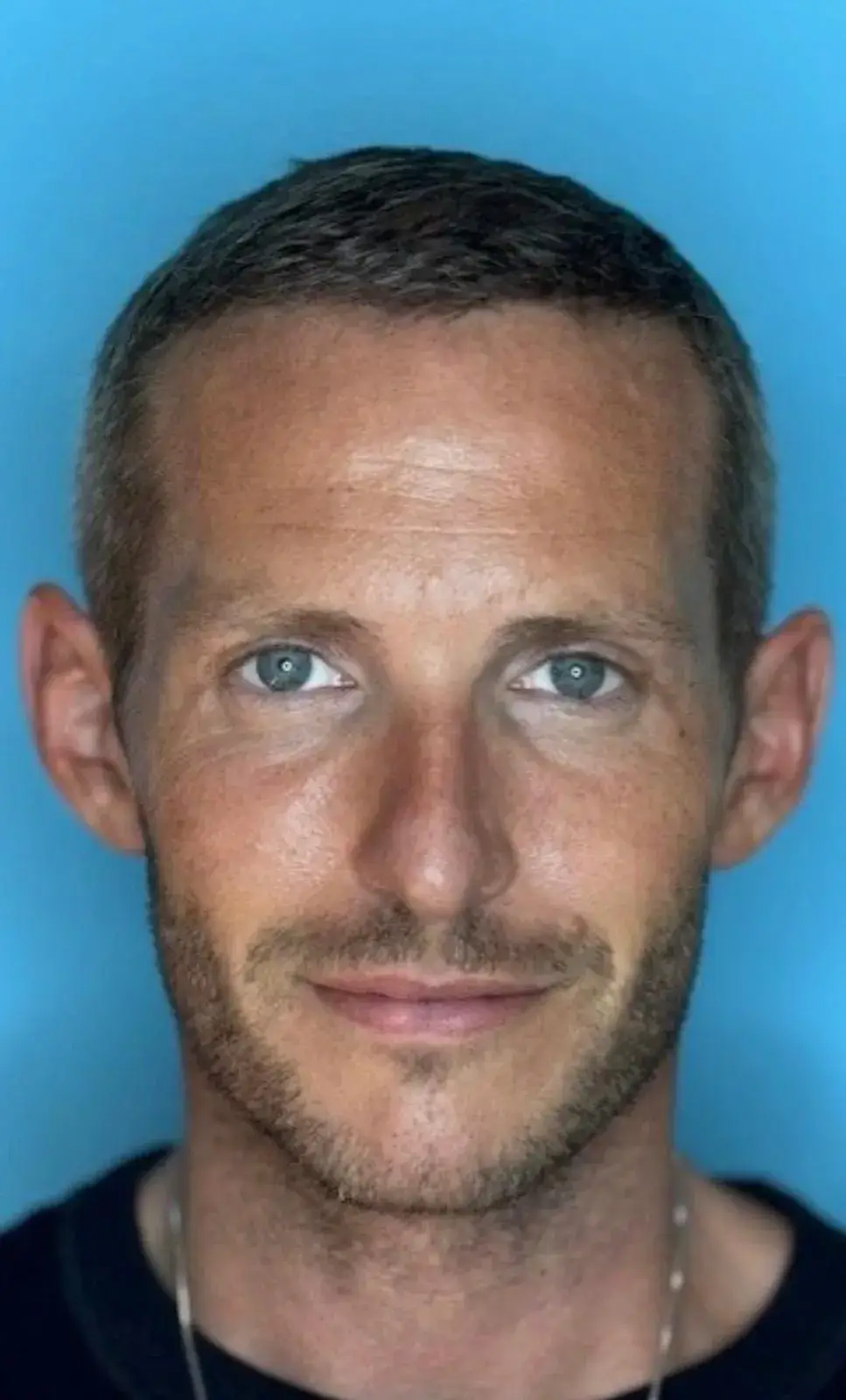
Possible benefits of lower eyelid surgery
- Reduction of eye bags
- Softer transition between eyelid and cheek
- Reduction of shadowing under the eyes
- Fresher and more rested appearance
- Improvement of skin quality around the eyes
Recovery
After eyelid surgery, slight swelling and bruising are normal. These usually peak during the first few days and then gradually decrease.
Most patients can resume their social activities after 7 to 14 days.
During the first few weeks, you may experience:
- Swelling
- Bruising
- Temporary tenderness of the eyelids
- Slightly watery eyes
- A feeling of tightness around the eyes
The final result becomes visible once the swelling has completely disappeared and the tissues have stabilised, usually after a few months.
Possible risks
As with any surgical procedure, there are possible risks, although serious complications are rare.
Possible complications include:
- Infection
- Post-operative bleeding
- Dry eyes
- Temporary eye irritation
- Delayed wound healing
- Asymmetry
- Scarring
- Temporary changes in vision
- Rare complications related to the anaesthesia
During the consultation, these risks are discussed in detail.
Why choose Face Ahead Clinic?
A successful eyelid correction requires more than removing excess skin. The relationship between the eyelids, eyebrows, cheeks and facial contours must be carefully assessed to create a natural and lasting result.
At Face Ahead Clinic, we take an individual approach in which the entire periorbital anatomy is analysed. Through a combination of surgical expertise, attention to detail and respect for your natural appearance, we aim for a fresh, rested look without losing your characteristic facial features.
Need personal advice?
Book a no-obligation consultation and discover what is possible.
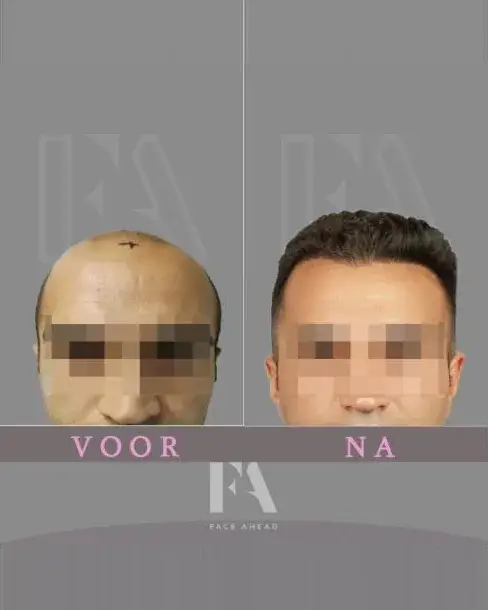
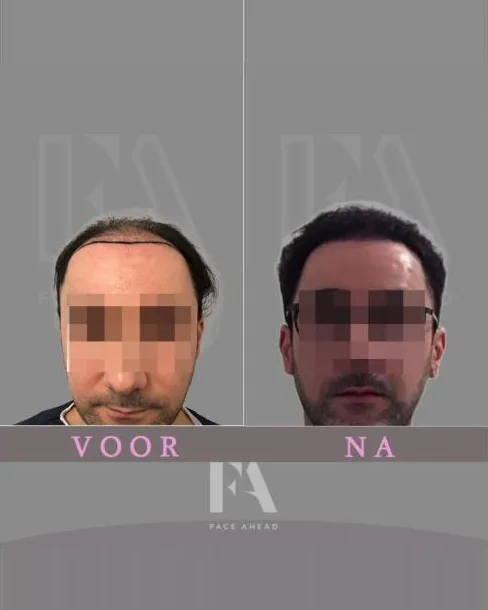
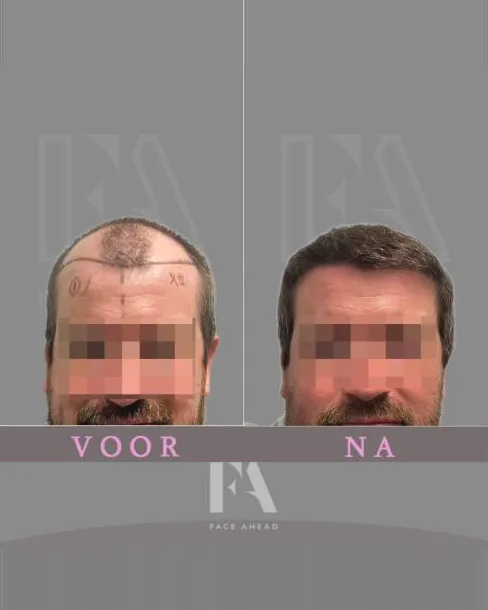
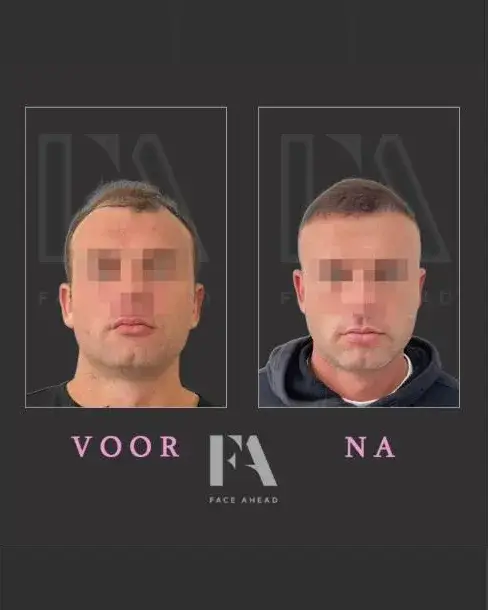
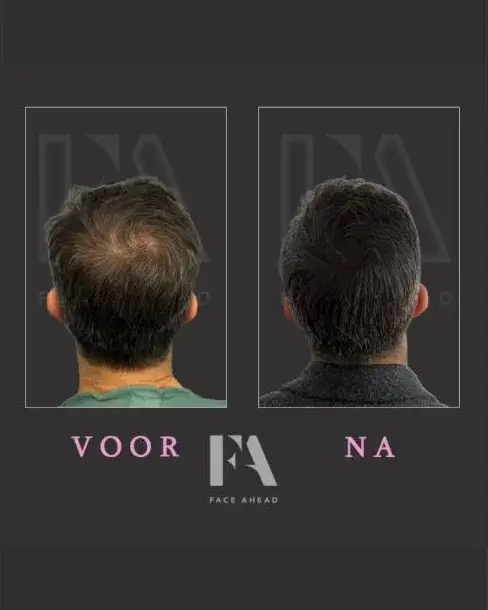
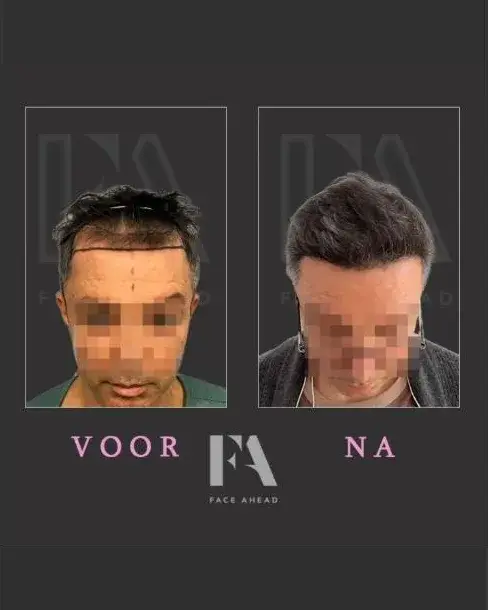
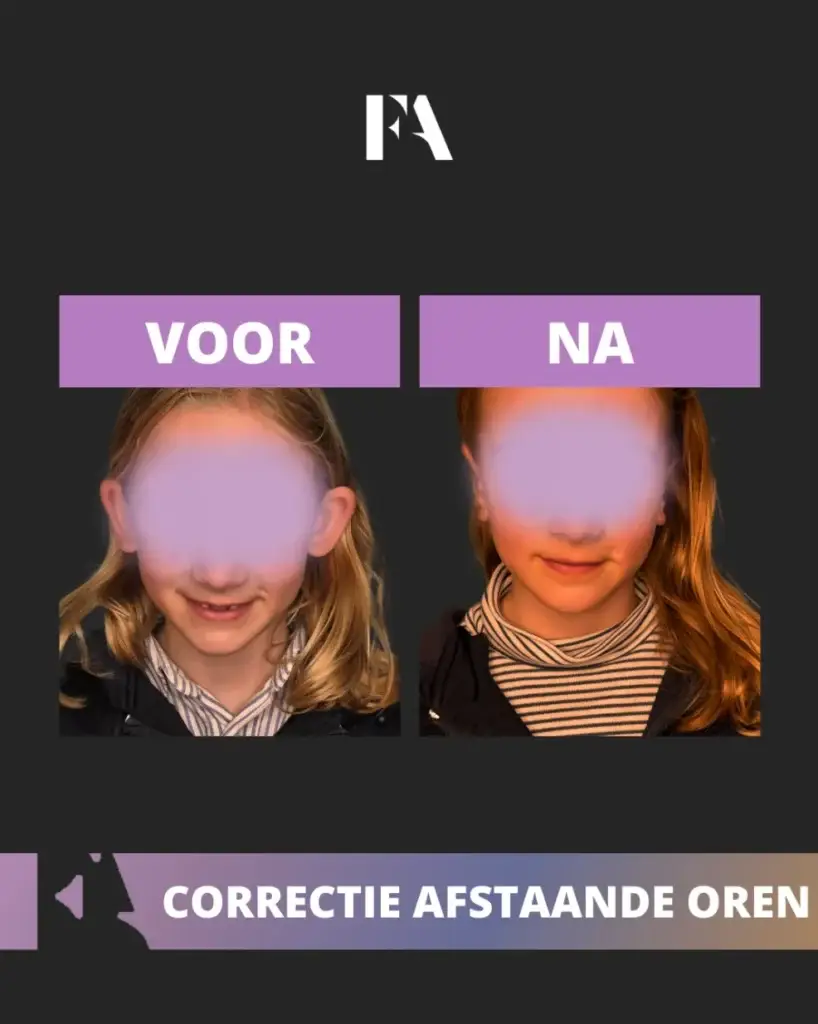
Before and after
A selection of what is possible. Every treatment is tailored to your skin and face, so results may differ per person.
Before · Eyelid Surgery
After · Eyelid Surgery
Before · Eyelid Surgery
After · Eyelid Surgery
Before · Eyelid Surgery
After · Eyelid Surgery
Before · Eyelid Surgery
After · Eyelid Surgery
FAQ: frequently asked questions
Will I still look natural?
Yes. Modern eyelid surgery is aimed at restoring a fresh and rested appearance without it being visible that you have undergone a surgical treatment.
Are the results permanent?
The skin that has been removed and the fatty tissue that has been corrected do not come back. The natural ageing process naturally continues, but the improvement generally remains visible for years.
Can eyelid surgery be combined with other treatments?
Yes. Eyelid surgery is often combined with a brow lift, facelift, lipofilling or skin-improving treatments to achieve an optimal and harmonious result.
Is eyelid surgery painful?
Most patients experience only limited discomfort. Any pain or tension can generally be well controlled with simple pain medication.
Our approach
Intake & personal treatment plan
A first conversation in which we listen to your wishes and expectations, with no obligation.
Preparation
A thorough medical examination and honest advice on what is feasible and sensible in your situation.
The treatment
A tailored plan, including timeline, cost and what you can expect before, during and after the procedure.
Aftercare & guidance
The procedure itself, followed by personal follow-up until you have fully recovered.
Ready for the next step?
Book a no-obligation consultation and discover what is possible.