Orthognathic Surgery (Jaw Surgery) in Antwerp
Orthognathic surgery, also known as corrective jaw surgery, is a specialised surgical treatment in which the position of the upper jaw, lower jaw or both jaws is corrected.
About orthognathic surgery
This procedure is performed when the jaws do not fit together optimally, which can lead to functional complaints and disturbed facial harmony.
Orthognathic surgery combines orthodontic treatment with advanced facial surgery and aims to improve chewing function, speech, breathing and facial balance. By correcting the underlying skeletal structures, not only is function restored, but the aesthetics of the face are often considerably improved as well.
What is orthognathic surgery?
The position of the jaws largely determines how the teeth fit together, how efficiently we can chew and how the face is supported. When there is a disproportion between the upper and lower jaw, functional and aesthetic problems can arise that cannot be corrected with orthodontics alone.
Orthognathic surgery moves the jawbones to a more harmonious and functional position. The procedure is always carried out in close collaboration with the orthodontist, so that both the teeth and the underlying skeletal structures are optimally aligned with each other.
When is orthognathic surgery indicated?
A jaw correction may be indicated for:
- A pronounced overbite
- A pronounced underbite
- An open bite
- An asymmetrical jaw position
- Chewing or biting problems
- Difficulty speaking or swallowing
- Chronic jaw joint complaints
- Obstructive sleep apnoea or other breathing problems
- Insufficient development of chin or jaw projection
- Aesthetic disproportions of the face
By addressing the underlying cause of these problems, a lasting improvement in both function and appearance can be achieved.
The treatment process
Orthognathic surgery is a carefully planned process that comprises several phases.
Orthodontic preparation
In most cases, treatment starts with an orthodontic phase in which the teeth are moved into the correct position using braces. This ensures that the teeth will fit together optimally after the operation.
This preparatory phase usually lasts 12 to 24 months, depending on the complexity of the deviation.
The operation
The surgical correction is performed under general anaesthesia.
During the procedure, the upper jaw, lower jaw or both jaws are precisely moved according to a digital treatment plan drawn up in advance. The new position is then stabilised with small titanium plates and screws, which can usually remain in place permanently.
The incisions are almost always made entirely inside the mouth, so no visible scars result.
Depending on the indication, the treatment can be combined with a chin correction (genioplasty) to further optimise facial balance.
Orthodontic finishing
After the operation, the bite is further refined orthodontically. This phase usually lasts a few months and ensures that the final result is optimal both functionally and aesthetically.
Benefits of orthognathic surgery
Orthognathic surgery often offers benefits that go beyond a beautiful smile alone.
Possible improvements include:
- A stable and correct bite
- Improved chewing function
- Better speech
- Improved breathing
- Reduction of sleep apnoea
- Less strain on the jaw joint
- Improved facial symmetry
- More harmony between the nose, lips, chin and jawline
- Increased self-confidence
Recovery
After the operation, you will usually stay in hospital for one to three days.
Facial swelling is normal and usually peaks during the first few days after the procedure. It then gradually subsides.
Recovery usually proceeds as follows:
- First weeks: soft or liquid diet
- After about 2 weeks: resumption of light daily activities
- After about 6 weeks: sufficient bone healing for most normal activities
- After a few months: further refinement of the final result
Although swelling and temporary changes in sensation may occur, most patients experience relatively little pain. Any discomfort can usually be well controlled with prescribed medication.
Possible risks
As with any surgical procedure, there are possible risks associated with orthognathic surgery, although serious complications are rare.
Possible complications include:
- Infection
- Post-operative bleeding
- Delayed bone healing
- Temporary or permanent changes in sensation of the lips, chin or cheeks
- Asymmetry
- Jaw joint complaints
- Relapse of the jaw position
- Complications related to the anaesthesia
During the consultation, these risks are discussed in detail.
Why choose Face Ahead Clinic?
Orthognathic surgery is among the most advanced procedures in facial surgery. Successful treatment requires not only surgical expertise, but also thorough knowledge of facial aesthetics, bite function and skeletal harmony.
At Face Ahead Clinic we work with a multidisciplinary approach in which orthodontics, functional correction and aesthetic optimisation come together. By using modern imaging, digital planning and precise surgical techniques, we aim for a result that is optimal both functionally and aesthetically.
The ultimate goal is a healthy bite, improved breathing and a harmonious facial balance that fits perfectly with your natural anatomy.
Need personal advice?
Book a no-obligation consultation and discover what is possible.
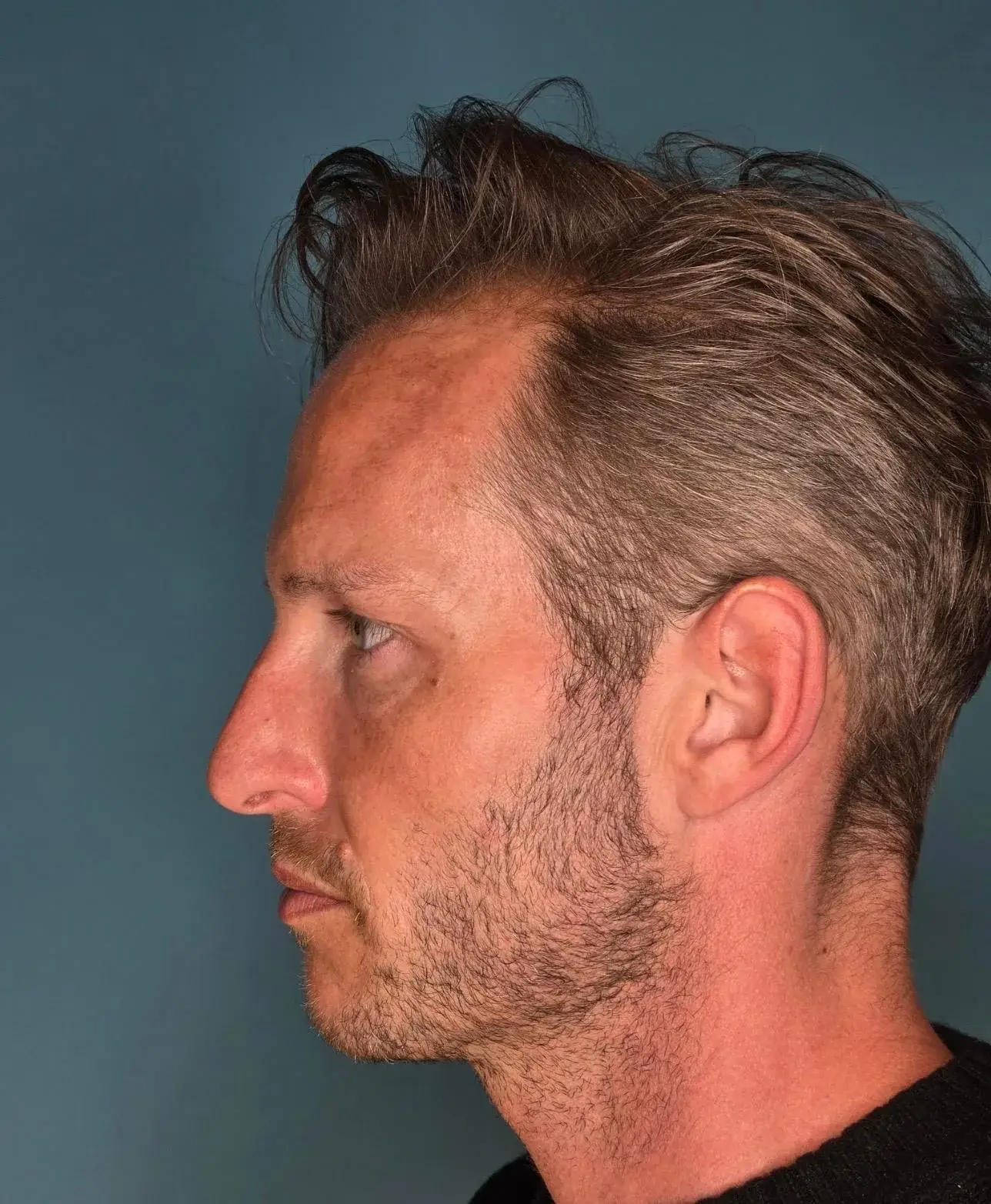
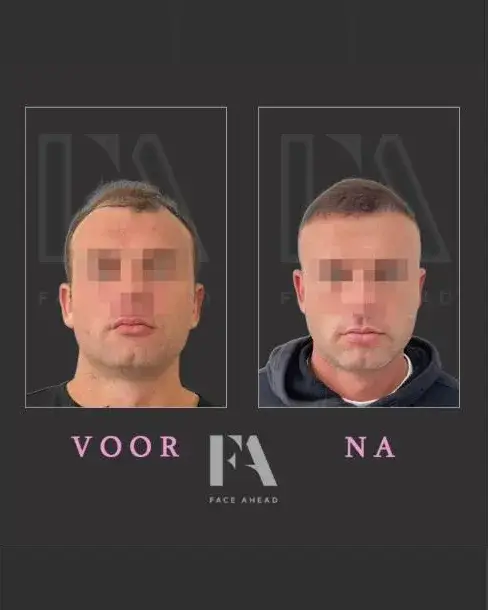
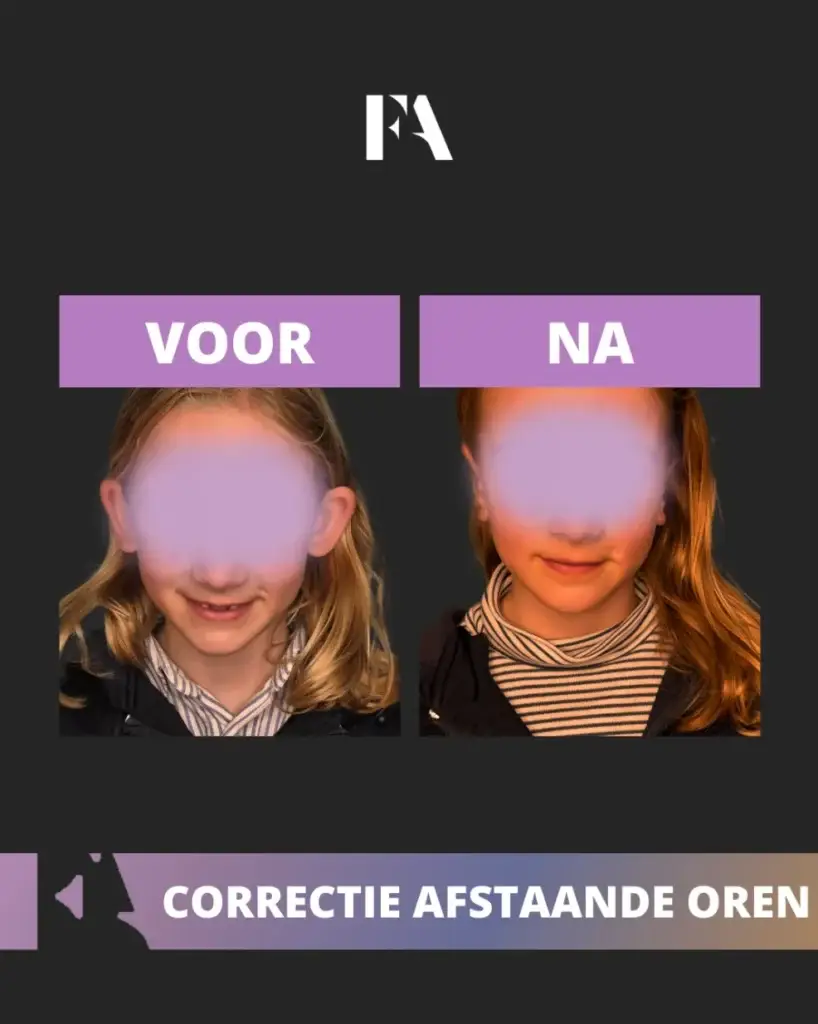
Before and after
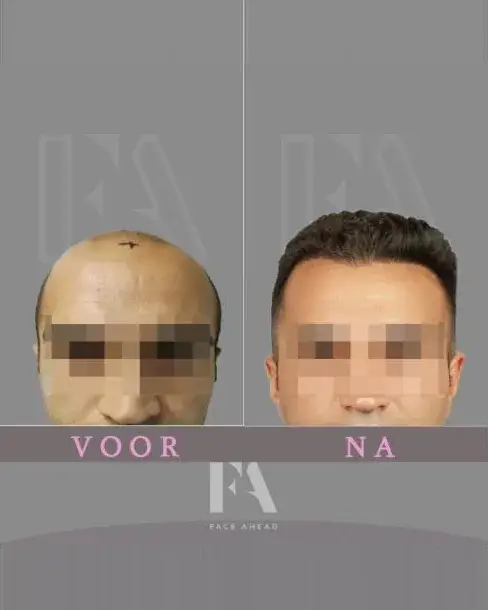
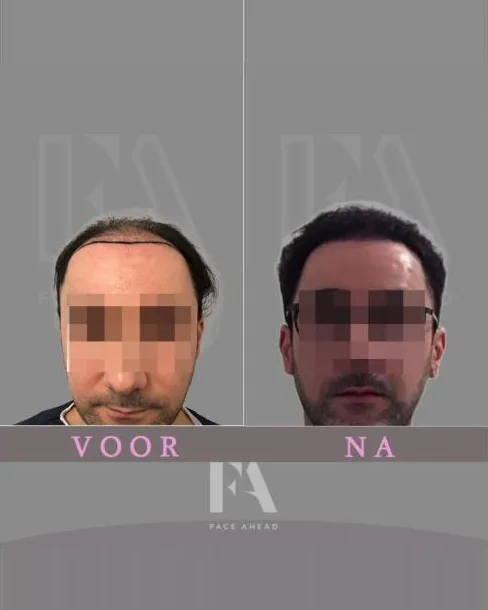
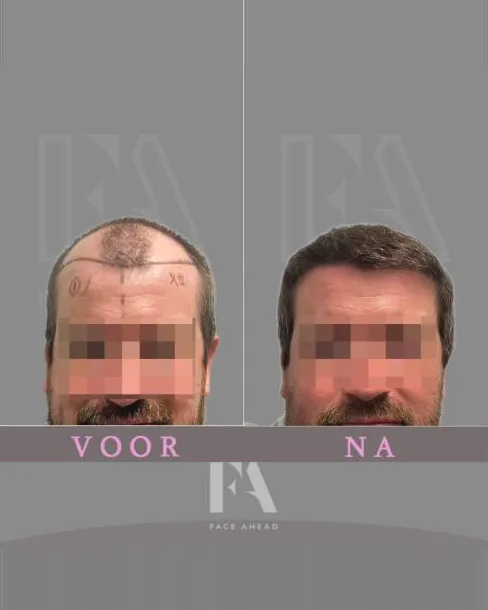
A selection of what is possible. Every treatment is tailored to your skin and face, so results may differ per person.
Before · Orthognathic Surgery (Jaw Surgery)
After · Orthognathic Surgery (Jaw Surgery)
Before · Orthognathic Surgery (Jaw Surgery)
After · Orthognathic Surgery (Jaw Surgery)
Before · Orthognathic Surgery (Jaw Surgery)
After · Orthognathic Surgery (Jaw Surgery)
Before · Orthognathic Surgery (Jaw Surgery)
After · Orthognathic Surgery (Jaw Surgery)
Our approach
Intake & personal treatment plan
A first conversation in which we listen to your wishes and expectations, with no obligation.
Preparation
A thorough medical examination and honest advice on what is feasible and sensible in your situation.
The treatment
A tailored plan, including timeline, cost and what you can expect before, during and after the procedure.
Aftercare & guidance
The procedure itself, followed by personal follow-up until you have fully recovered.
Ready for the next step?
Book a no-obligation consultation and discover what is possible.