Facelift in Antwerp
The moment your reflection no longer reflects how young and energetic you feel inside is an important turning point for many people.
About the facelift
Non-surgical treatments such as injectables, skin improvement or laser therapy are often tried first. Although these treatments can be valuable, at a certain point they reach their limits when the deeper structures of the face begin to sag.
When skin laxity, volume loss and loss of jawline definition become more pronounced, a Deep Plane Facelift offers a lasting and natural solution. This advanced surgical technique is regarded worldwide as the most anatomically correct form of facelift surgery and delivers powerful rejuvenation without an unnatural or “pulled” result.
What is a Deep Plane Facelift?
A Deep Plane Facelift is an advanced form of facial rejuvenation in which not only the skin is treated, but also the deeper muscle, fat and connective tissue layers of the face.
Unlike older facelift techniques, which mainly create tension on the skin, a Deep Plane Facelift releases and repositions the skin and the underlying SMAS layer (Superficial Musculo-Aponeurotic System) as one anatomical unit.
This brings the structures that have sagged with ageing back to their original position. The result is a natural, vertical lift of the face in which the contours of the cheeks, jawline and neck are restored without the skin being pulled unnaturally tight.
Why does the face age?
Facial ageing is much more than the appearance of wrinkles. With age:
- The skin loses its elasticity
- Fat compartments in the midface sag
- Volume decreases at the level of the cheekbones
- Deeper nasolabial folds develop
- The jawline becomes less sharp
- Skin laxity of the neck develops
A Deep Plane Facelift corrects these changes by restoring the underlying anatomy instead of merely tightening the skin.
The benefits of a Deep Plane Facelift
Because the correction takes place at the level where the ageing occurs, this technique offers a number of important benefits:
- Natural rejuvenation without an operated look
- Restoration of the contours of the cheeks and cheekbones
- Softening of nasolabial folds and marionette lines
- Improvement of the jawline
- Rejuvenation of the neck
- Less tension on the skin
- Long-lasting results
- Preservation of natural facial movement and expression
The aim of a Deep Plane Facelift is not to change your face, but to restore your own anatomy in a more youthful way.
Which structures are treated?
During a Deep Plane Facelift, various anatomical structures are carefully mobilised and repositioned.
These include:
- The SMAS complex
- The platysma (neck muscle)
- The deeper fat compartments of the cheeks
- The cheekbone region
- The tissues around the nasolabial fold
- The tissues at the level of the jawline and neck
By treating these structures as a whole, a harmonious result is achieved in which the entire face is rejuvenated in a natural way.
Who is a Deep Plane Facelift suitable for?
A Deep Plane Facelift is suitable for women and men who want natural and lasting rejuvenation.
The treatment may be indicated for:
- Sagging cheeks
- Loss of volume in the midface
- Deep nasolabial folds
- Marionette lines
- A less sharp jawline
- Neck laxity
- A tired or aged appearance despite good general health
Most patients are between 40 and 75 years old, but suitability is determined mainly by anatomy and not solely by age.
During a thorough consultation, Dr. Beckers analyses your facial structure, skin quality and expectations to determine whether a Deep Plane Facelift is the right choice for you.
Deep Plane Facelift versus other facelift techniques
Not every facelift treats the same anatomical layers.
Skin facelift or mini facelift
In a classic skin lift, mainly the skin is tightened. Although this can give a temporary improvement, the cause of the ageing is not addressed and the results are generally less durable.
SMAS facelift
In a SMAS facelift, the superficial muscle and connective tissue layer is treated in addition to the skin. This results in a more natural and longer-lasting effect than a skin lift alone.
Deep Plane Facelift
In a Deep Plane Facelift, the skin, SMAS and the deeper facial structures are released and moved as a whole. This corrects both sagging and volume loss and produces a natural and long-lasting result.
The procedure
A Deep Plane Facelift is performed under general anaesthesia.
The incisions are carefully hidden in the hairline and around the ear, so that after healing the scars are generally barely visible.
Depending on the anatomy, the facelift is often combined with additional procedures such as:
- Deep Plane Neck Lift
- Deep Neck Reduction
- Eyelid correction
- Brow lift
- Lipofilling
- Laser treatments for skin improvement
By combining these treatments strategically, completely harmonious facial rejuvenation can be achieved.
Recovery
After the operation, a supportive dressing is applied and you stay one night under medical observation.
Swelling, bruising and a feeling of tightness are normal during the first weeks after the procedure.
Recovery generally proceeds as follows:
- First week: swelling and bruising are most visible
- After 2 weeks: most patients feel comfortable in social situations again
- After 4 to 6 weeks: resumption of most physical activities
- After a few months: further refinement of the result
The final result develops gradually over the first six to twelve months.
Why choose Face Ahead Clinic?
A successful facelift requires more than technical expertise alone. An in-depth understanding of facial anatomy, respect for natural proportions and a refined aesthetic sense are essential to create a result that does not look visibly operated on.
At Face Ahead Clinic we strive for natural rejuvenation in which you look fresher, more rested and more vital without losing your identity or expression. The aim is always the same: not to create a different face, but to restore the best version of yourself.
Need personal advice?
Book a no-obligation consultation and discover what is possible.
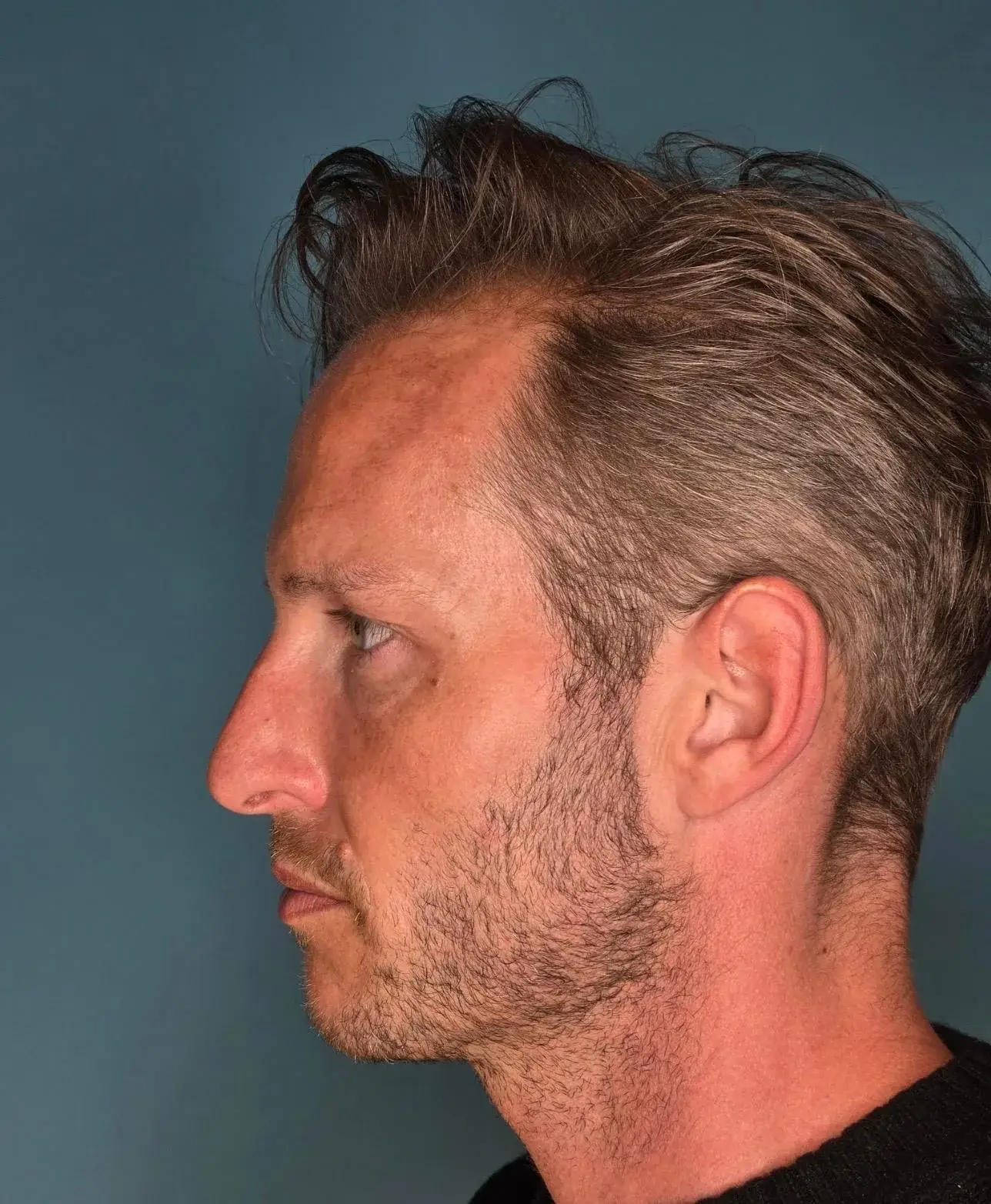
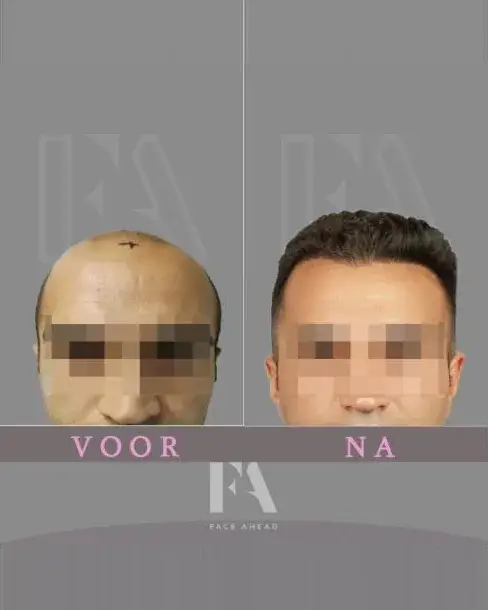
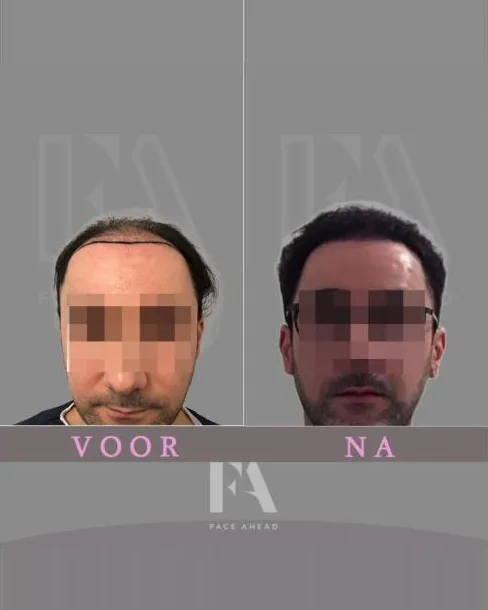
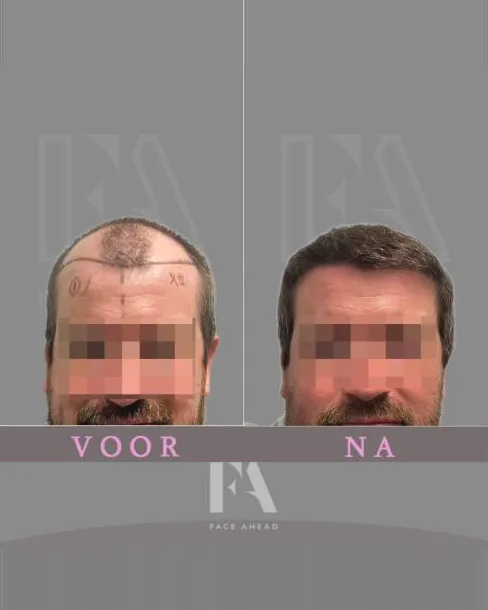
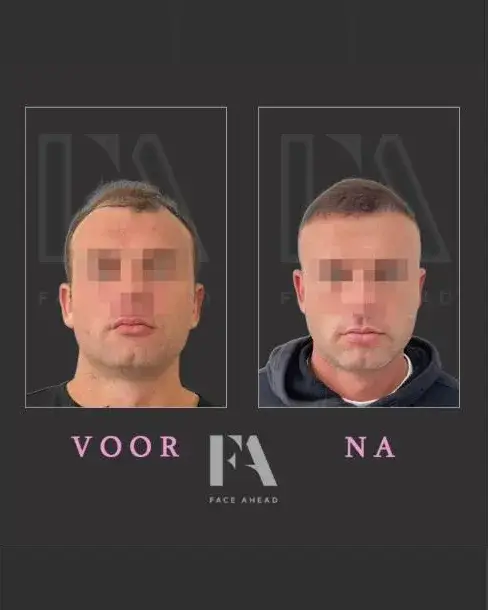
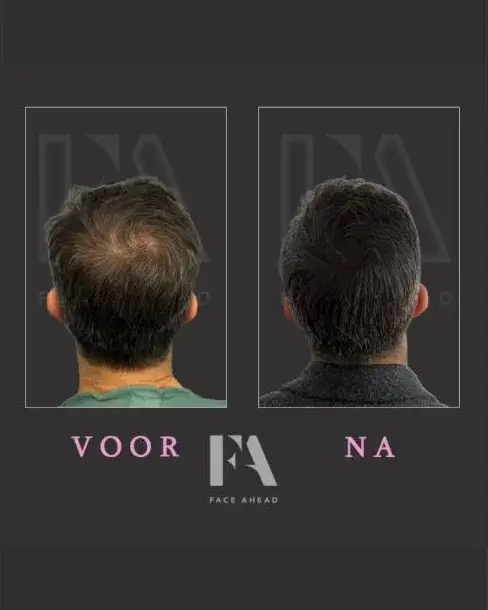
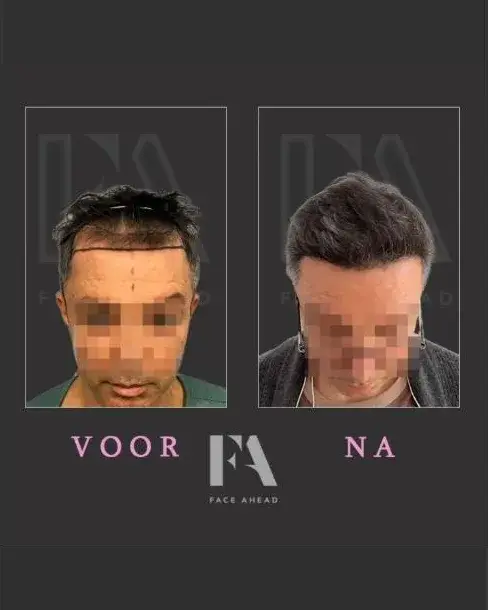
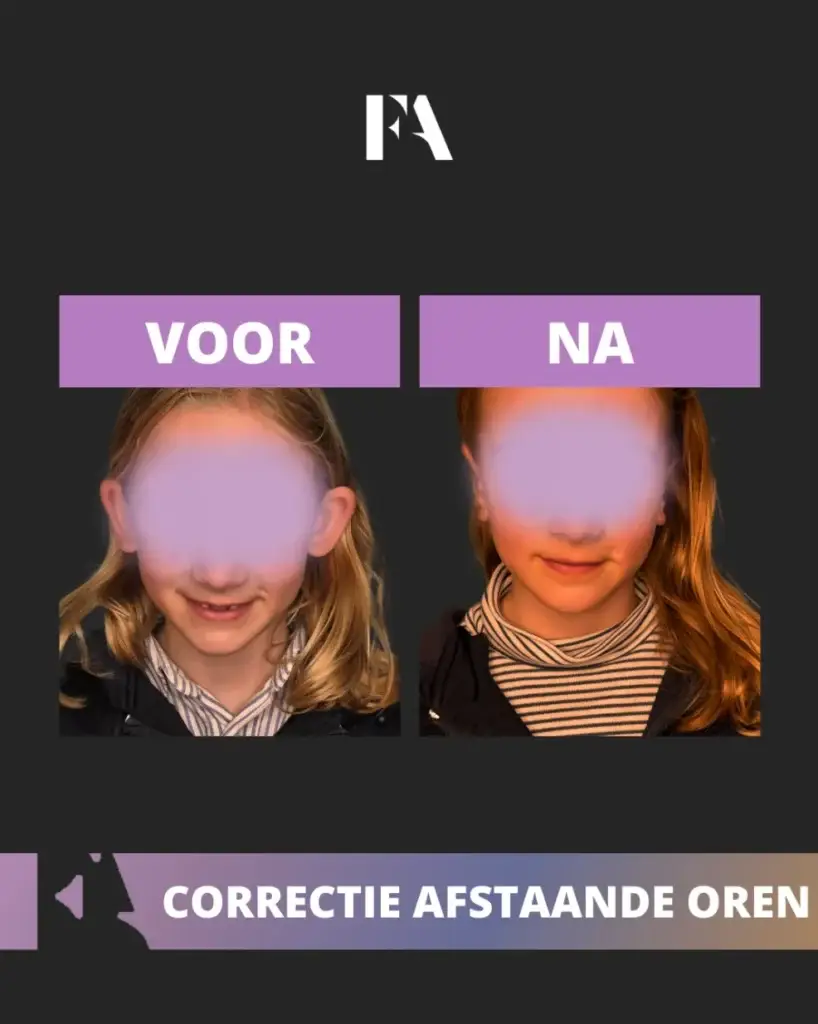
Before and after
A selection of what is possible. Every treatment is tailored to your skin and face, so results may differ per person.
Before · Facelift
After · Facelift
Before · Facelift
After · Facelift
Before · Facelift
After · Facelift
Before · Facelift
After · Facelift
Our approach
Intake & personal treatment plan
A first conversation in which we listen to your wishes and expectations, with no obligation.
Preparation
A thorough medical examination and honest advice on what is feasible and sensible in your situation.
The treatment
A tailored plan, including timeline, cost and what you can expect before, during and after the procedure.
Aftercare & guidance
The procedure itself, followed by personal follow-up until you have fully recovered.
Ready for the next step?
Book a no-obligation consultation and discover what is possible.